
Maintenance That Prevents Breakdowns Before They Happen
Vehicle Maintenance in Grand Junction for extending reliability, reducing repair costs, and following factory service schedules
Oil that turns dark and loses viscosity, brake fluid that absorbs moisture and lowers boiling points, and tire tread that wears unevenly all develop gradually until they cause failure during normal driving. Berry's Garage provides routine vehicle maintenance that replaces fluids, filters, and wear components before they reach failure thresholds, following the specific service intervals your vehicle manufacturer engineered based on how different systems degrade over time. Preventive maintenance addresses the cumulative effects of temperature changes, road conditions, and daily driving demands that accelerate component wear.
Scheduled maintenance includes oil and filter changes at intervals based on synthetic or conventional oil type, coolant system inspections that check hose condition and fluid concentration, brake fluid testing for moisture content, tire rotations that equalize tread wear patterns, and air filter replacement when restriction reduces airflow. Each service targets wear patterns specific to how you drive and the conditions your vehicle operates in regularly.
Request a maintenance schedule review based on your current mileage and driving conditions.
What Happens After Maintenance Services Finish
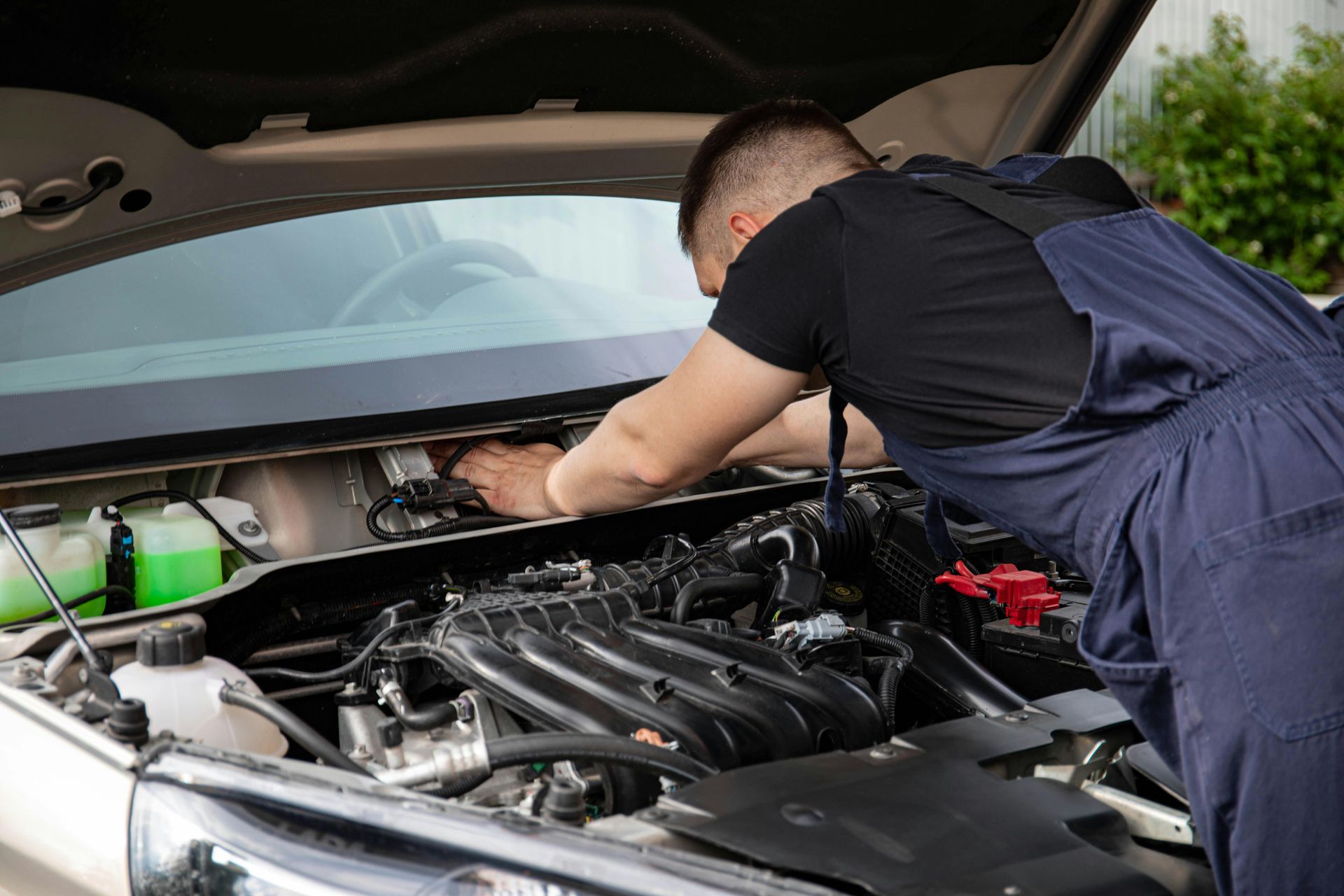
Technicians record fluid condition, measure brake pad thickness, check tire tread depth across all positions, inspect belts for cracking, and test battery voltage and cranking amperage during each maintenance visit. This documentation tracks wear rates and predicts when components will need replacement before they fail, allowing you to plan repairs rather than respond to breakdowns.
Once maintenance work completes, your engine runs on clean oil with proper viscosity for temperature protection, cooling system maintains consistent operating temperature without overheating risk, brakes deliver even pedal feel and stopping power, and tires wear evenly across the tread surface to maximize lifespan. Systems perform as designed because fluids maintain their protective and functional properties.
Factory maintenance schedules separate normal and severe service intervals—severe conditions include frequent short trips under five miles, extensive idling, trailer towing, or operation in dusty environments. Vehicles driven under severe conditions require more frequent oil changes, filter replacements, and fluid services because contaminants accumulate faster and components work harder.
Common Questions About This Service
Vehicle owners typically ask about maintenance timing and what specific services include before committing to regular visits.
What maintenance services does my vehicle need right now?
Service requirements depend on current mileage, time since last service, and whether you follow normal or severe maintenance schedules. Oil changes occur every 3,000 to 10,000 miles depending on oil type, tire rotations happen every 5,000 to 7,500 miles, and fluid replacements follow manufacturer intervals ranging from 30,000 to 100,000 miles based on system design.
How does preventive maintenance reduce overall repair costs?
Replacing a serpentine belt during scheduled maintenance costs significantly less than repairing an engine that overheated after the belt snapped and stopped the water pump. Catching wear early during inspections prevents secondary damage that occurs when failing components affect related systems.
Why do temperature changes affect maintenance timing in this region?
Cold starts increase engine wear because oil loses viscosity at low temperatures and takes longer to circulate, while high summer temperatures accelerate fluid breakdown and increase evaporative losses. Seasonal temperature swings stress cooling systems, battery capacity, and fluid stability more than consistent climates.
What's included in a standard maintenance visit?
Basic service covers oil and filter changes, fluid level checks, tire pressure adjustments, visual inspection of belts and hoses, brake system inspection, and battery testing. Additional services depend on mileage intervals—air filters, cabin filters, tire rotations, and wiper blade replacements occur at manufacturer-specified points.
How often should I bring my vehicle in for routine service?
Most manufacturers recommend service every 5,000 to 7,500 miles or every six months, whichever comes first. Severe driving conditions shorten those intervals because fluids contaminate faster and components wear more rapidly under stop-and-go traffic, short trips, or extreme temperatures.
Berry's Garage tracks your vehicle's service history and sends reminders based on your specific maintenance schedule rather than generic intervals. Schedule your next maintenance appointment to stay current on factory-recommended services and protect your vehicle's long-term reliability.