
Preventing Engine Damage Before Overheating Occurs
Cooling Systems in Grand Junction for overheating, coolant leaks, or fluctuating temperature gauges
Temperature gauges climbing into the red zone, steam from under the hood, or coolant puddles beneath the vehicle indicate cooling system failures that threaten engine integrity. Overheating warps cylinder heads, damages head gaskets, and can seize engines if coolant stops circulating through passages designed to remove combustion heat. Berry's Garage inspects and repairs cooling systems in Grand Junction for vehicles showing warning signs before metal-to-metal contact destroys internal engine components.
Radiator inspections check for leaks, corrosion, and blockages that restrict coolant flow, while hose examinations identify cracks and soft spots where pressure eventually causes ruptures. Coolant testing measures freeze protection and additive levels that prevent corrosion inside the engine block and radiator. Seasonal temperature swings stress cooling components as freeze-thaw cycles weaken hoses and extreme summer heat increases system pressure beyond design limits.
Request a cooling system inspection if the temperature gauge rises above normal, coolant levels drop repeatedly, or visible leaks appear.
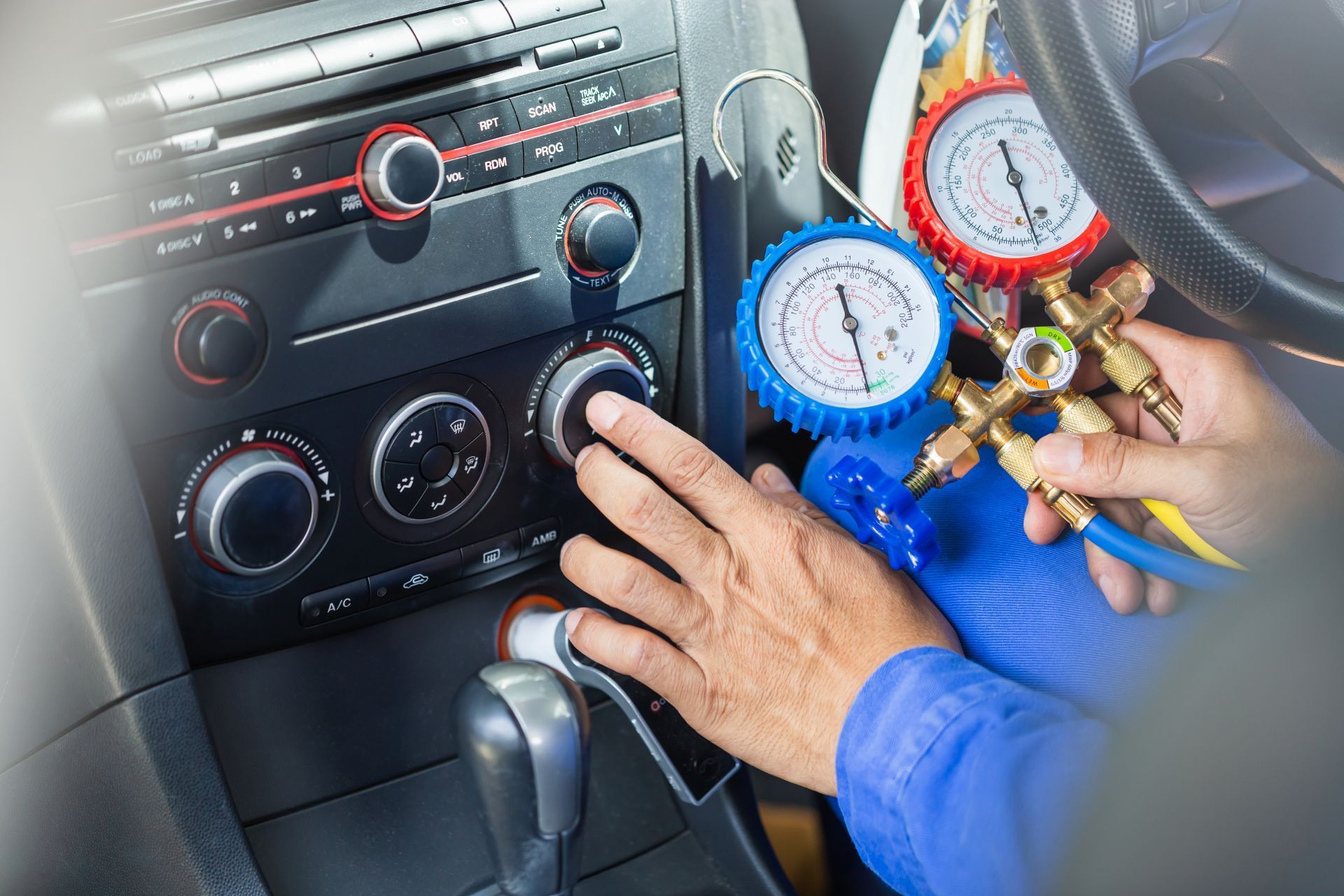
Why Cooling System Maintenance Works
Cooling system service involves pressure testing to locate leaks invisible during static inspection, flushing old coolant contaminated with rust and scale deposits, and replacing hoses before age-related cracking causes roadside failures. Thermostats that fail closed prevent coolant from reaching the radiator, causing rapid overheating, while thermostats stuck open prevent the engine from reaching proper operating temperature and reduce efficiency. Water pump inspection checks bearing condition and impeller integrity because pump failure stops coolant circulation entirely and causes immediate overheating.
After cooling system service, the temperature gauge remains stable in normal range during highway driving and stop-and-go traffic, coolant levels stay consistent without requiring frequent top-offs, and no steam or burning coolant odors appear during operation. The heater produces strong cabin warmth during winter because coolant flows freely through the heater core, and the engine reaches operating temperature quickly without running cold from a stuck-open thermostat.
Preventive maintenance includes replacing coolant at manufacturer intervals to prevent acidic degradation that corrodes aluminum radiators and engine components from the inside. Cooling system pressure must remain within specification to prevent boiling at high temperatures while avoiding hose ruptures from excessive force, requiring functional radiator caps and intact hose connections.
Questions Before Starting Cooling Work
Cooling system questions often focus on recognizing failure symptoms, understanding maintenance intervals, and knowing what causes overheating before engine damage occurs.
What warning signs indicate cooling problems?
Rising temperature gauges, coolant leaks visible as green or orange puddles, steam from the engine compartment, or heater failure during cold weather all signal cooling system issues.
How does coolant prevent engine damage?
Coolant absorbs combustion heat and carries it to the radiator where airflow dissipates thermal energy, preventing metal temperatures from exceeding limits that warp heads and damage gaskets.
When should coolant be replaced?
Manufacturer intervals typically range from 30,000 to 100,000 miles depending on coolant type, but contamination, rust, or acidic pH levels require earlier replacement.
Why do hoses fail in Grand Junction?
Temperature extremes cause rubber to harden and crack, while pressure cycling from heating and cooling weakens hose walls until they rupture during operation.
What happens if overheating is ignored?
Cylinder head warping, head gasket failure, and engine seizure occur as metal expands beyond tolerance and lubrication breaks down under extreme heat.
Berry's Garage pressure tests cooling systems, inspects hoses and radiators, and replaces worn components to maintain proper engine temperature. Schedule cooling system service if warning lights activate, temperatures fluctuate, or coolant consumption increases without visible external leaks.