
Maintain Road Contact When Surfaces Change
Shocks in Grand Junction for excessive bouncing, uneven tire wear, and reduced vehicle stability
Excessive bouncing after hitting bumps, uneven tire wear across the tread surface, and reduced stability during lane changes indicate that shock absorbers no longer control suspension movement effectively. Berry's Garage inspects and replaces damaged or aging shock absorbers in Grand Junction, restoring the damping force that keeps tires in consistent contact with changing road surfaces. Shock absorbers contain hydraulic fluid and valving that resists spring oscillation after impacts, and when internal seals fail or fluid leaks, the suspension bounces freely instead of settling quickly.
Shock replacement involves removing worn units and installing components that match vehicle specifications for damping characteristics and mounting configuration. Inspections evaluate external condition for fluid leakage, test compression and rebound resistance, and check mounting hardware for wear that allows movement between the shock body and chassis. Rough roads and frequent elevation changes stress shock internals more than smooth highway driving, shortening the service interval before damping performance declines noticeably.
Request a suspension inspection if the vehicle continues bouncing after road impacts or handling feels less controlled than normal operation.
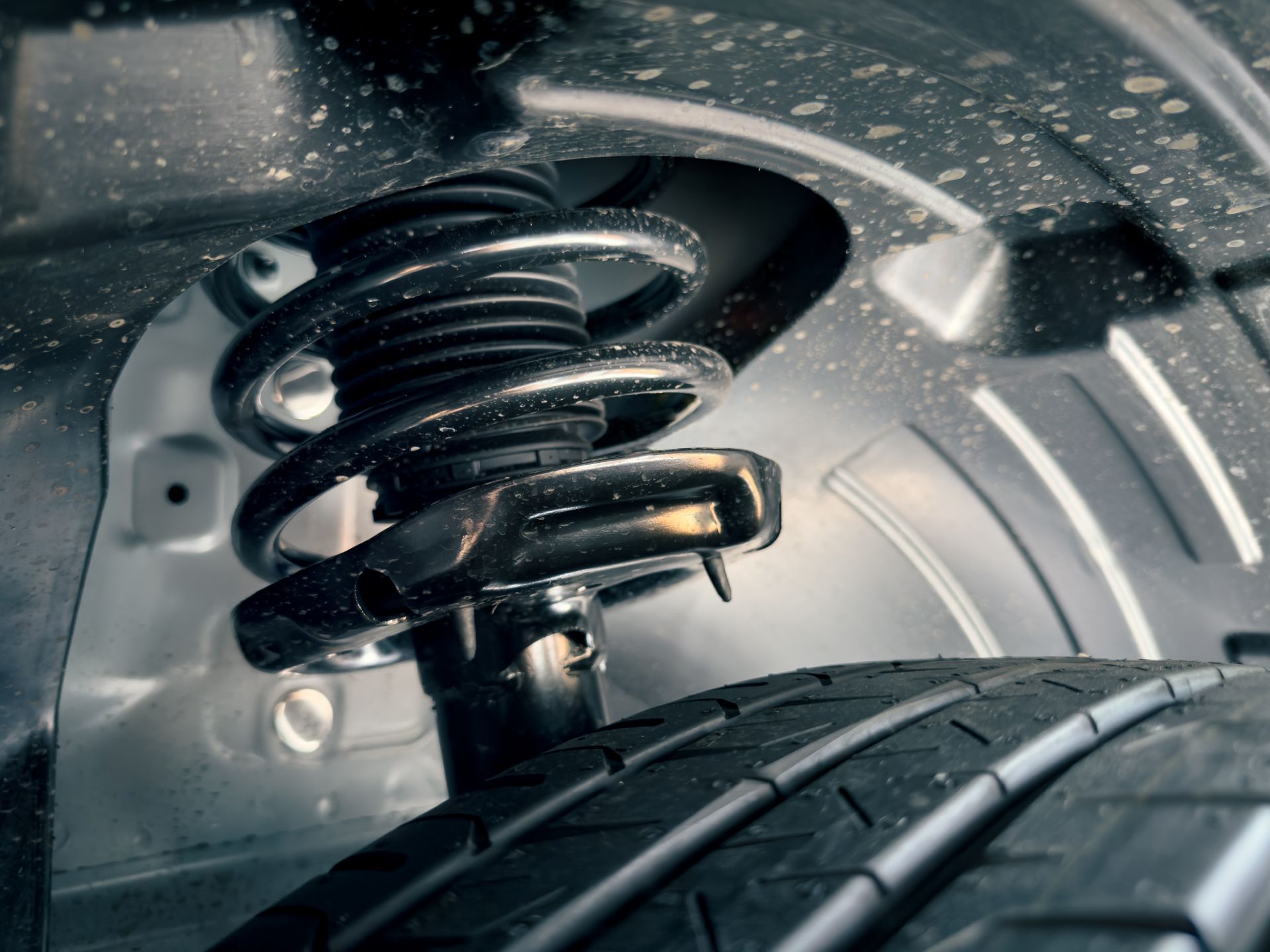
How Shock Service Addresses Suspension Control
Shock inspections measure damping force by compressing and extending each unit, comparing resistance levels to specifications that indicate whether internal valving still functions correctly. Berry's Garage examines shock bodies for external damage, checks mounting bushings for deterioration, and evaluates whether leaking fluid has contaminated nearby components. Replacement timing depends on measured damping loss rather than mileage alone, since driving conditions directly affect how quickly internal seals and fluid degrade.
After shock replacement, the vehicle settles immediately after hitting bumps rather than bouncing multiple times, steering inputs produce predictable responses without delay, and tire contact with the road remains consistent during cornering and braking. You no longer feel the nose dive excessively during stops or experience the floaty sensation that occurs when worn shocks allow uncontrolled body motion. Tire wear patterns become more even across the tread as suspension geometry stays stable throughout suspension travel.
Shock service includes removal of worn components and installation of replacement units with proper damping characteristics, but does not address coil springs, control arms, or steering linkage unless those components show specific damage during inspection.
What Property Owners Usually Ask
Vehicle owners considering shock replacement want clarity on symptoms, replacement timing, and what changes after service.
What does excessive bouncing indicate about shock condition?
Excessive bouncing means internal damping fluid has leaked past worn seals or valving has failed, eliminating the resistance that should stop spring oscillation after one or two cycles.
How do worn shocks cause uneven tire wear?
Worn shocks allow suspension geometry to shift unpredictably during travel, which changes tire contact angles and creates irregular wear patterns across the tread surface.
When should shocks be inspected during vehicle ownership?
Shocks should be inspected whenever handling feels less stable than previous operation, or during routine maintenance intervals around sixty thousand miles when internal wear typically becomes measurable.
What role do shocks play in braking performance?
Shocks maintain tire contact with the road during weight transfer, preventing the suspension from compressing too quickly and allowing brake systems to function at full effectiveness.
How does driving in Grand Junction affect shock lifespan?
Frequent transitions between highway driving and rough secondary roads create repeated damping cycles that stress internal components more than consistent smooth-surface operation.
Berry's Garage tests suspension components under load to identify which parts require replacement based on actual performance rather than visual appearance alone. Have suspension evaluated if ride quality has deteriorated or the vehicle feels less controlled during normal driving conditions.